

Training room hire London: what makes a good learning space?
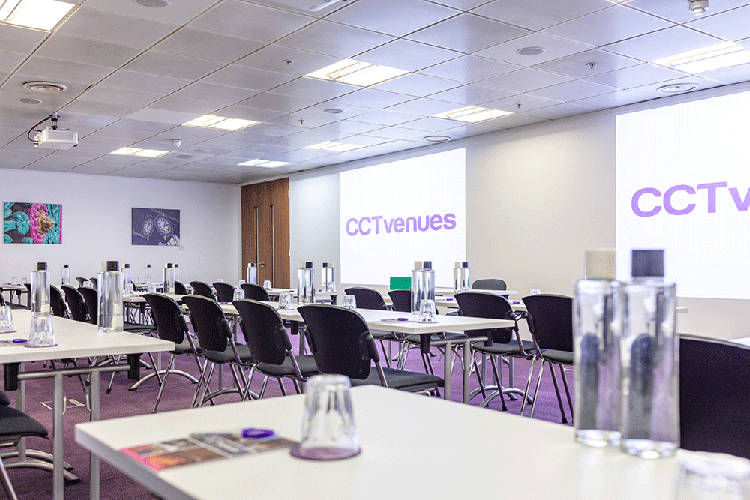
A successful training day doesn’t start when people walk into the room - it starts long before that, with the space you choose. In a busy city like London, there are plenty of training rooms available. Some look impressive at first glance but fall short when it comes to practicality, while others quietly provide everything needed for a smooth, productive day. This guide breaks down what actually matters when choosing a training room, and how to spot a space that genuinely supports learning.

Why training days matter
Even with the rise of online learning and hybrid training events, there is still real value in getting people together in the same room. It remains one of the most effective ways to develop skills and shift work behaviour. There’s a reason organisations still invest in it. When attendees step away from their usual desks, inboxes and day-to-day distractions, they are often more focused, engaged and open to learning. In-person training also creates space for discussion, questions and shared experiences that can be difficult to replicate through a screen.
Of course, great content is part of a successful training event but the environment matters too. A room that feels cramped, distracting or poorly equipped can quickly affect energy levels and participation, while the right space helps people stay focused and get more from the day. There are many factors to consider when creating the perfect training venue space.
1. Location and accessibility
Where your training takes place can have a bigger impact on the day than many organisers realise. The most well-planned session can get off to a shaky start if attendees are delayed, stressed from travelling or struggling to find the venue.
In London especially, accessibility is about more than convenience. Choosing a venue that is easy to reach helps people arrive on time, settle in quickly and focus on the training rather than the journey. It can also improve attendance, particularly if delegates are travelling from different parts of the city or further afield.
When choosing a venue, consider:
- Proximity to major underground and rail stations
- Ease of travel for attendees coming from outside London
- Clear directions and a simple arrival experience
- Nearby hotels if the training runs over multiple days
- Step-free access and inclusive facilities
A well-located venue removes unnecessary friction from the day and helps create a positive experience before the training has even begun.
Top tip: If attendees are travelling from different locations, choosing a central venue with strong transport links is often the simplest option for everyone.
2. Technology and connectivity
Technology plays a role in almost every modern training session, whether it is a simple presentation, a hands-on workshop or a hybrid event with remote attendees joining online.
When the technology works, most people barely notice it. When it doesn’t, it can quickly become the focus of the day for all the wrong reasons. Unreliable Wi-Fi, faulty cables, audio issues, frozen screens, or even small technical hiccups can interrupt learning and affect engagement. A good training venue should provide straightforward, reliable and easy to use technology and support, allowing trainers and attendees to focus on the session rather than troubleshooting equipment. Many modern training venues now include presentation technology, video conferencing facilities and high-speed Wi-Fi as standard, helping to reduce both planning time and unexpected costs.
Look for:
- Strong, stable Wi-Fi for all users
- Easy laptop connectivity to screens or projectors
- Clear audio so every participant can hear comfortably
- Microphones for larger groups
- Support for hybrid or remote attendees if needed
- On-site technical support if something goes wrong
It is not about having the most advanced technical setup available. More often, it comes down to having technology that works exactly as expected, when you need it to.
Top tip: Test presentations, video conferencing tools and equipment before attendees arrive. A few minutes of preparation can prevent unnecessary disruption once the session begins.

3. Room layout, size and flexibility
The way a training room is set up can have a significant impact on how people learn, participate and interact throughout the day. Even with great content and an engaging trainer, the wrong layout can make sessions feel less effective. The ideal setup depends on the style of training, the number of attendees and how much interaction is expected. A presentation-led session will have very different requirements to a collaborative workshop or skills-based training day. Equally, choosing the right room size is just as important. A room that is too small can feel cramped and restrictive, while a room that is too large can make discussion feel less natural and leave attendees feeling disconnected from the session.
Common layouts include:
- Classroom style for structured learning and note-taking
- Cabaret style for group exercises and collaboration
- U-shape for discussion-led sessions and trainer interaction
- Theatre style for larger presentations and briefings
- Breakout-friendly layouts for workshops and hands-on activities
When assessing a space, it is worth considering more than just the maximum capacity. Think about how much room attendees will need for laptops, training materials, group activities and movement throughout the day. Practical details such as sightlines, table space, room acoustics and circulation space can all have a noticeable impact on comfort and participation.
Flexibility is often just as important as the initial setup. Training sessions can evolve throughout the day, with discussions running longer than expected, additional activities being introduced or group work becoming a bigger focus than originally planned. Having a space that can adapt to these changes helps keep the session engaging and productive.
The best training rooms feel appropriately sized for a group and flexible enough to support different learning styles, creating an environment that is professional, comfortable and conducive to learning.
Top tip: Ask to see room layouts based on your expected delegate numbers rather than relying on maximum capacity figures alone. It is also worth checking whether the room can be reconfigured during breaks if your agenda changes throughout the day.
4. Atmosphere and comfort
People learn better when they’re comfortable. It sounds simple, but it’s often overlooked. While content and delivery are important, the environment plays a supporting role in helping attendees stay focused, participate and absorb information.
Think about how people are likely to feel after several hours of training. A room that feels bright, comfortable and well laid out can help maintain energy levels, while a space that is cramped, noisy or poorly ventilated can become a distraction.
Look for:
- Natural light where possible
- Comfortable seating for longer sessions
- Good temperature control and ventilation
- A quiet environment with minimal external noise
- Space for breaks and informal conversations
These details may seem small individually, but together they can have a noticeable effect on concentration, participation and overall delegate experience.
It is also worth considering the atmosphere you want to create. A formal training programme may benefit from a professional classroom environment, while a workshop or collaborative session might work better in a more relaxed and flexible space.
Top tip: If possible, visit the venue before booking. Room dimensions can be measured on a floorplan, but comfort, atmosphere and energy are much easier to judge in person.

5. Don’t overlook refreshments
Training requires concentration, and concentration takes energy. Whether you are running a half-day workshop or a full-day programme, catering and refreshments can have a noticeable impact on the overall delegate experience.
Well-timed breaks give attendees an opportunity to recharge, continue discussions and return to the room feeling refreshed and ready to engage with the next session.
Consider:
- Tea, coffee and water stations
- Lunch options for full-day training
- Dietary requirements and allergens
- Breakout spaces for informal conversations
- Flexibility around break timings
At CCT, we offer a Day Delegate Rate package, which typically brings together room hire, basic equipment and catering in one per-person price. It can make planning and budgeting more straightforward, especially for full-day sessions where refreshments are needed at multiple points. If you want more detail on what’s included, it’s worth getting in touch with us!
Top tip: Always confirm exactly what refreshments are included in the room hire package. Comparing venues becomes much easier when you understand the full cost rather than just the room rate.
Final thoughts
A training day is only as effective as the environment it takes place in. While content and delivery are crucial, the venue plays an important role in supporting focus, participation and learning outcomes.
London offers no shortage of training venues, but the best choice is not always the biggest or most impressive. It is the one that makes life easier for attendees, supports the format of your training and creates an environment where people can stay engaged throughout the day. By prioritising factors such as location, technology, comfort and flexibility, you can create the conditions for meaningful learning rather than simply filling a room. After all, successful training is not just about attendance; it is about giving people the best opportunity to learn, contribute and put new skills into practice.
Looking for a training room in London that actually works for your session?
Work with our experienced venue team to find a space that supports your goals, your people, and your delivery.
Get in touch