

Conference venue checklist: 15 things you should ask before you book

Booking the right conference venue can make or break your event. Beyond finding a stylish space in the right location, a conference organiser needs to think about capacity, technology, catering, accessibility, delegate flow, and support on the day.
Before signing a contract, our checklist of 15 useful questions can help you decide whether the venue is the right fit for your event!
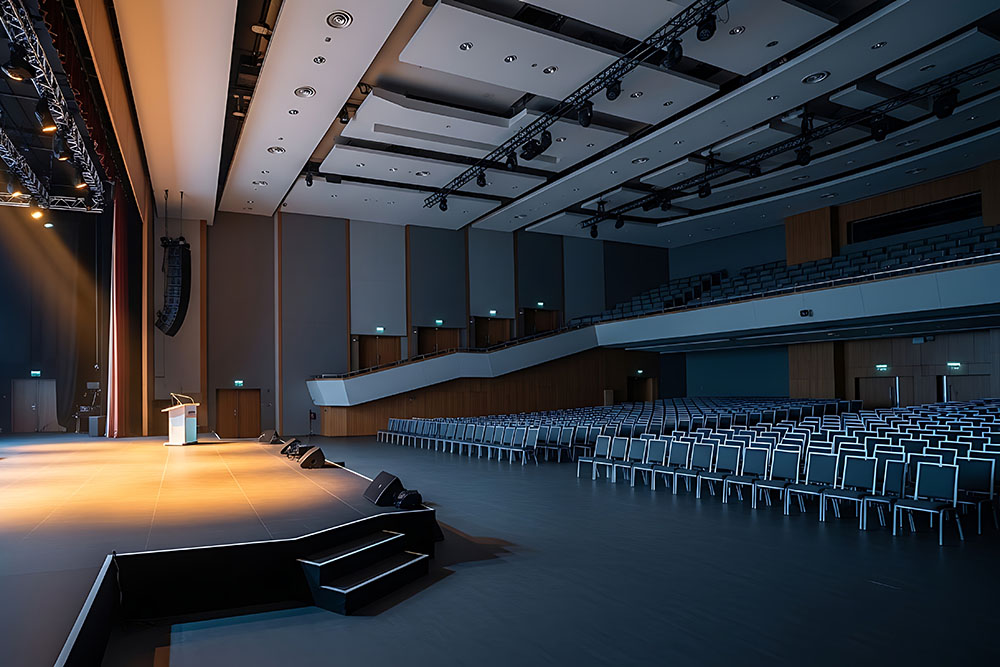
Capacity and space planning
The size and layout of your venue can make a real difference to how your conference feels on the day. It is not just about fitting everyone in, but making sure guests are comfortable, engaged and able to move through the event with ease. From main plenary sessions to breakout discussions and networking opportunities, choosing a venue with the right capacity and flexible setup options will help create a professional and well-organised experience for every attendee.
1. Is the venue big enough for the number of attendees?
This sounds obvious, but it catches people out more often than you might think. A room may technically hold your delegate numbers, but once you add staging, AV equipment, registration desks and space for people to move around, the reality can look quite different.
Ask for capacities based on your preferred layout, such as:
- Theatre
- Cabaret
- Classroom
- Boardroom
It is also worth discussing expected attendance versus registrations, as not every registered guest may attend.
A venue that is too small can feel overcrowded and uncomfortable, while one that is too large may affect atmosphere and audience engagement.
2. Can the layout be adapted to your event format?
No two conferences are quite the same, so your venue should be able to flex around your agenda.
A keynote session may need theatre seating, workshops often suit cabaret tables, and training sessions may work better classroom style. If networking is part of the day, you may also need open space for mingling afterwards.
Consider:
- If the venue can offer multiple setup styles such as theatre for presentations, cabaret for collaborative sessions, classroom for training events or banquet for evening receptions
- If the room can be reconfigured during breaks or if separate spaces are available
- The speed of room turnarounds
A flexible layout can significantly improve audience engagement, comfort and the overall experience.
3. Are there breakout rooms available?
Breakout rooms can transform a standard conference into a more dynamic one.
They allow you to run parallel sessions, private meetings, training workshops or speaker prep without squeezing everything into one main room.
Consider:
- The number of breakout rooms available
- Individual room capacities
- Proximity to the main conference space
- Included equipment such as screens or Wi-Fi
If delegates are trekking across three floors to find Session B, the flow of the day may suffer.

Technology
Faulty technology has a habit of becoming the most memorable part of an event. For presentations, panel discussions, hybrid streaming and delegate engagement tools,, your venue’s technical setup needs to be reliable to help the day run smoothly and without unnecessary stress. Before booking, it is worth understanding what equipment, connectivity and on-site support are available so your event can be delivered professionally.
4. Is the Wi-Fi reliable and suitable for large groups?
Delegates often arrive with multiple devices, while speakers, organisers and exhibitors all need to stay connected throughout the day.
If the internet struggles, presentations can be disrupted, hybrid sessions may fail and patience can disappear quickly.
Consider:
- Number of users who can connect at once
- Capacity for multiple devices per person
- Dedicated bandwidth for live streaming
- Whether guest Wi-Fi is included
Reliable, high-capacity internet is now an essential part of any modern conference venue.
5. What AV and presentation technology is included?
AV costs can creep up quickly, so it is worth knowing exactly what comes as standard.
Most conferences rely on technology for presentations, speeches and audience engagement, so the basics should already be covered.
Consider:
- Screens or projectors
- Microphones
- Lecterns
- PA systems
- Clickers
- Cameras or streaming equipment
- Lighting for stage areas
Clarifying what is included from the outset can help avoid unexpected hire costs and ensure the venue is properly equipped for your agenda.
6. Is on-site technical support available?
You should consider whether on-site technical support is available throughout your event, particularly if you are using multiple pieces of AV equipment or running a high-profile conference.
Even with reliable systems in place, technical issues can arise unexpectedly, and having expert support on hand can minimise disruption.
Consider:
- Support during setup
- Technician presence throughout the day
- Help during speaker changeovers
- Whether support is included or extra
Having experienced on-site technicians can provide reassurance, keep presentations running smoothly and allow organisers to focus on delivering a successful event rather than troubleshooting technology.

Catering
Well-planned catering keeps attendees energised, supports networking opportunities and helps your event feel organised and professional. This can range from morning coffee, working lunches and afternoon buffets, it is important to understand what options the venue can provide and how flexible they are to your schedule and audience needs.
7. What catering packages are available?
A half-day meeting may only need refreshments. A full-day conference often needs breaks, lunch and perhaps drinks afterwards.
Ask whether the venue offers:
- Delegate packages
- Bespoke menus
- Buffet or plated lunches
- Arrival pastries and refreshments
- Afternoon snacks
- Drinks receptions or canapés
Choosing the right catering package can improve delegate satisfaction, encourage networking and help maintain energy levels throughout the day.
8. Can dietary requirements be accommodated?
This is now an expectation rather than a bonus.
Delegates may require vegetarian, vegan, halal, kosher, gluten-free or dairy-free options, alongside allergy support.
Worth checking:
- How requests are collected
- How allergens are labelled
- Whether last-minute changes can be handled
- How clearly alternative meals are served
Providing inclusive catering options helps every attendee feel considered and can significantly improve the overall guest experience.
9. Is there flexibility around timings?
Conferences do not always run exactly to schedule. Speakers overrun. Networking gets lively. Panels start late.
Ask whether:
- Breaks can move slightly
- Lunch can be delayed if needed
- Refreshments can be replenished quickly
- Service can be staggered for larger groups
A flexible catering team can quietly save the day.

Logistics
You should consider what level of operational support the venue provides during your event. Having an experienced team on hand can make a significant difference, particularly for larger conferences with multiple speakers, exhibitors or tight schedules. Ask whether you will have a dedicated event manager or main point of contact on the day, and what support staff will be available during arrival, room turnarounds and catering breaks. It is also worth checking whether reception staff, security or technical teams are included where needed. Reliable on-site support allows organisers to focus on guests and content rather than dealing with operational issues.
10. What support is available on the day?
Knowing who is there to help matters more than many organisers realise.
Ask whether you will have:
- A dedicated event manager
- Reception support
- Room turnaround staff
- Security if required
- A clear point of contact throughout the day
Having the right people around can make a huge difference.
11. What are the loading and set up arrangements?
You should consider how easy it is for suppliers and organisers to access the venue before the event. If you are bringing in staging, branding materials, exhibition stands or specialist equipment, loading access can have a major impact on setup time and efficiency.
Ask:
- If there’s a loading bay
- If there’s lift access available
- When suppliers can arrive
- Whether storage space is available
- How long unloading you can take to unload
Simple on paper, but often overlooked until the van arrives. Clear setup arrangements help ensure your conference is ready on time and reduce unnecessary stress on the day.
12. What is the cancellation policy?
You should consider the venue’s cancellation and postponement policy before committing to a contract. Event plans can change due to budget shifts, delegate numbers or unforeseen circumstances, so it is important to understand your level of flexibility.
Before committing, check:
- Deposit terms
- Payment deadlines
- Cancellation charges
- Postponement options
- Whether final numbers can be amended closer to the date
A clear and fair cancellation policy can protect your budget and give you greater confidence when booking.

Accessibility
Accessibility should be a key consideration when selecting any conference venue. Choosing a location that is easy to reach and comfortable for all attendees helps maximise attendance, improve delegate experience and ensure your event is inclusive. This includes both physical accessibility within the venue and practical accessibility in terms of transport and overnight stays, and even digital accessibility for hybrid attendees.
13. Is the venue accessible?
You should consider whether the venue is fully accessible for all delegates, including those with mobility requirements.
Check whether the venue offers:
- Step-free access
- Lifts to all floors
- Accessible toilets
- Suitable spaces for wheelchair users
- Clear routes between rooms
- Good transport links
- Nearby parking
A centrally located venue with strong transport links can significantly improve attendance and make travel easier for delegates arriving from different regions. An inclusive venue helps ensure every guest can attend comfortably and participate fully in the event.
14. Is there accommodation nearby?
You should consider whether there are suitable accommodation options close to the venue, particularly if delegates, speakers or sponsors are travelling long distances or attending a multi-day event. Convenient nearby hotels can make attendance more appealing and reduce travel stress.
Ask about:
- Preferred hotel partners
- Discounted rates
- Walking-distance options
- Budget and premium choices
This can be especially helpful for early starts or evening networking events.

Budget
Understanding exactly what is included in your venue quote is essential for accurate budgeting. A lower room hire cost may appear attractive at first, but additional charges for equipment, staffing or catering can quickly increase your total spend. Reviewing the full package in detail will help you compare venues properly and avoid surprises later.
15 . What is included in the budget?
Always ask for a clear breakdown of costs.
Check whether the quote includes:
- Room hire
- Furniture
- Screens and microphones
- Wi-Fi
- Staffing support
- Catering
- Branding opportunities
- Extended access times
- VAT
A transparent budget breakdown allows you to plan confidently, compare value between venues and avoid unexpected costs closer to the event date.
Conclusion
Choosing the right conference venue is about more than capacity and cost, it’s about creating a seamless experience for every delegate. Asking the right questions early can help avoid surprises and ensure your event runs smoothly from start to finish.
Need assistance?
If you're planning a conference in London, CCT Venues offers flexible spaces, built-in technology, central locations, and expert event support.
Contact us