

How to encourage networking at your business event

Thoughtful venue layouts, structured activities and post-event follow-up are some of the many ways to encourage guests to interact confidently. If you're hosting a networking event, this practical guide will help you create an environment where conversations start easily and professional relationships can grow.
Networking is often the main reason people attend business events. At conferences, training days, meetings or other corporate events, many attendees come along to meet new people, share insights and make connections that could lead to future opportunities.
However, effective networking rarely happens on its own. Placing professionals in the same room does not guarantee conversation so creating an event where connections develop naturally requires careful event planning, designing networking into the experience from the start.

Preparation is key when hosting a networking event
Successful networking starts long before your guests arrive. Careful planning helps attendees feel prepared and gives them the tools they need to connect with others.
Create online groups before the event
Encouraging interaction ahead of the event can make networking feel much more natural on the day.
Creating a dedicated online group or event community allows attendees to introduce themselves, share what they do, and highlight what they hope to gain from the event early, breaking the ice, meaning that guests may already recognise names or faces when they arrive.
You might invite participants to:
- Introduce their role or organisation
- Share topics they’re interested in discussing
- Post questions or challenges they’d like advice on
When guests feel familiar with the group beforehand, conversations tend to start more easily during the event itself.
Send helpful pre-event information
Another effective way to encourage networking at events is by preparing attendees with useful information before they arrive.
A simple pre-event email can include:
- An overview of the event schedule
- Details of dedicated networking sessions
- Tips for making the most of networking opportunities
- Encouragement to bring business cards or digital contact details
Providing this information helps attendees arrive with a clearer sense of purpose, making them more confident about starting conversations and with the right people.
Set the right atmosphere
The atmosphere of an event can significantly influence how comfortable people feel approaching others.
Warm lighting, welcoming spaces, and a relaxed but professional setting help guests feel at ease. When people feel comfortable in their environment, they’re far more likely to engage in conversation.
Small details such as background music, welcoming hosts, and thoughtful event design can make a big difference in encouraging natural interaction.
Design a venue layout that encourages conversation
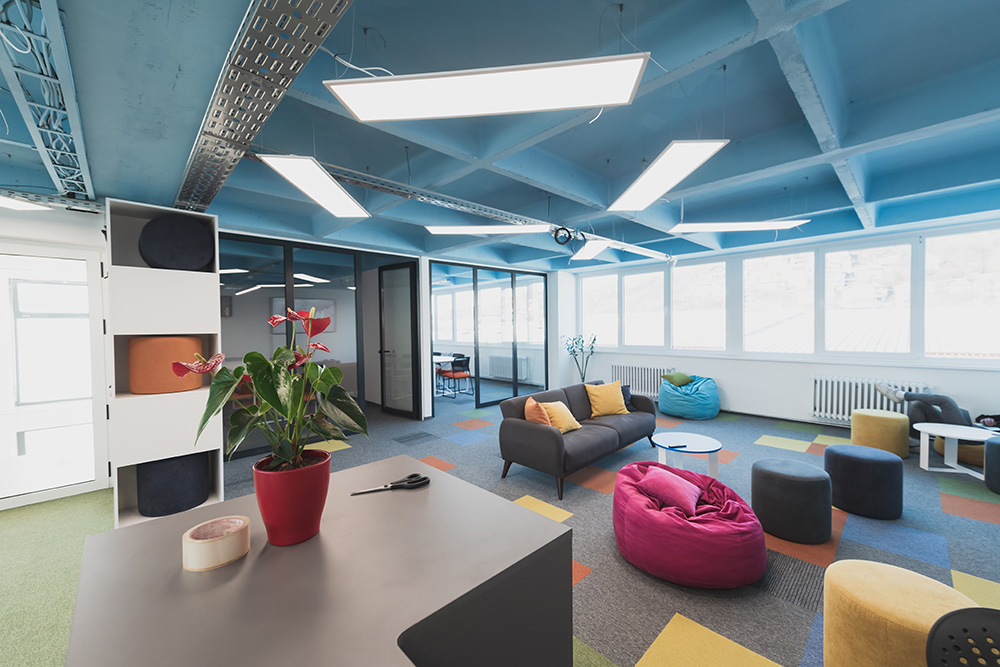
The layout of your venue plays a big role in how people interact. A space that is well-designed will encourage movement, conversation, and spontaneous introductions.
Create designated networking areas
You can start by designating specific areas for conversation that can make networking feel more approachable. After all, not every attendee wants to network in the middle of a busy crowd.
This could be: lounge-style seating areas for relaxed discussions, small standing tables for informal chats or even just quiet spaces for more focused conversations. These areas give guests multiple options depending on how they prefer to connect.
Use interactive table decor
Tables can do more than hold drinks and notebooks. They can also help spark conversation.
Something as simple as placing prompts or discussion topics on tables could encourage guests to begin talking with those around them. These prompts could focus on industry trends, current challenges, or future opportunities. This step can transform awkward moments into genuine, easy, engaging conversations.
Encourage movement around the venue
Networking thrives when people can move around freely. You should avoid layouts that keep attendees fixed in one place for too long. Instead, create spaces that encourage natural movement between sessions, refreshment areas, and networking zones.
When guests circulate comfortably through the venue, they’re far more likely to meet a wider range of people.
Now the prep work is done, we can move onto how to encourage guests to network at the actual event.

Use icebreaker activities to spark conversations
Even in professional settings, many attendees appreciate help starting conversations. Icebreaker activities can gently encourage interaction and reduce the awkwardness that comes with approaching strangers. As part of a well-planned training or event day, these kinds of interactive elements can also boost engagement and collaboration across your team (see our guide to running a successful staff training day).
Structured networking activities
Short, structured activities are some of the most effective ideas for networking events.
Examples include:
- Two-minute networking rotations where attendees briefly introduce themselves
- Small group introductions at the start of a session
- Guided discussion topics during networking breaks
These activities create a natural starting point for conversation and ensure everyone has the opportunity to participate.
Business card scramble
A more creative, fun idea is creating a business card challenge which encourages guests to interact with a variety of people.
For example, attendees might be asked to collect business cards from individuals who:
- Work in a particular sector
- Have travelled from a certain location
- Have a specific professional expertise
This simple activity encourages movement around the room and creates a fun, low-pressure way to start conversations. It can also broaden who your attendees speak to, prompting them to connect with people they may not have thought to approach, which could lead to unexpected future opportunities.

Use visual cues to make networking easier
Small visual cues can make networking much easier, helping attendees identify potential connections, understand who they’re speaking to and feel more confident in starting a conversation.
Clear, informative name badges
Name badges are a small, surprisingly powerful tool when it comes to networking.
Effective badges should include:
- The attendee’s name
- Their organisation
- Their role or industry
When badges are easy to read, they remove one of the biggest barriers to starting a conversation.
Colour-coded badges
Colour coding can make networking even easier.
Different colours might represent:
- Industry sectors
- Professional roles
- Networking goals

Use facilitation techniques to guide networking
Sometimes the most successful networking events include a little guidance.
Appoint event hosts or facilitators
Event hosts can play a key role in connecting attendees.
Their role may include: introducing guests who share similar interests, encouraging quieter attendees to join conversations or helping groups expand by bringing new people into discussions.
Having someone on hand to guide introductions can make the room feel more relaxed and help conversations get started.
Create themed networking moments
Another effective technique is to organise networking around specific themes.
For example, you might host short sessions focused on:
- Industry innovation
- Leadership and career development
- Emerging market trends
These themed discussions give attendees a clear reason to join a conversation and often lead to deeper, more meaningful connections.

Use food and drink to encourage interaction
Food and drink naturally bring people together, making them a valuable tool for networking.
Rather than formal seated meals, consider layouts that encourage movement and conversation. Refreshment stations, coffee points, and shared tables allow attendees to gather, pause, and chat naturally.
High-quality catering also enhances the overall experience, creating a relaxed atmosphere where guests can have natural breaks to recharge and continue meaningful conversations.
Don’t forget post-event follow-up
Networking shouldn’t end when the event finishes! Following up afterwards helps introductions turn into lasting professional relationships. There are a few simple ways you can do this.
Encourage digital connections
Sharing a digital attendee list or event platform after the event allows guests to reconnect with people they met. Encouraging attendees to continue conversations online helps extend the value of the event beyond the day itself and reflect well on your event.
Send thoughtful thank-you emails
A simple thank-you email can reinforce the positive experience attendees had at your event.
Your follow-up message might include: appreciation for attending, event highlights or key takeaways, photos from the event and a reminder to connect with new contacts.
This final touch allows your event to be thought about after and it ensures the networking opportunities created during the event continue to grow, which reflects well on your business.
Creating events where connections happen naturally
Encouraging meaningful networking is about more than scheduling a break between sessions. It requires thoughtful planning, welcoming spaces, and opportunities for guests to connect in ways that feel natural and comfortable. To summarise, using the combination of venue design, engaging activities, and helpful facilitation, you can create an environment where conversations start organically and professional relationships continue beyond your event.
Planning a networking event?
The right venue can make all the difference. We offer flexible layouts, welcoming breakout spaces, and help you choose the right setting encouraging conversations to happen naturally. Explore how CCT Venues can support your next networking event.
Let us know